
I was standing in line at a coffee shop last week when I noticed something odd. The guy ahead of me wasn’t scrolling through social media or checking messages. He was hunched over his phone, tapping through what looked like a slot game, except his thumb wasn’t just hitting spin over and over. He was choosing something, adjusting something, waiting for a moment that seemed to matter to him before committing. When his drink arrived, he glanced up, smiled, and said to no one in particular, “Finally figured out the bonus round.”
That moment stuck with me. For years, the mental image of a slot player has been someone passively pressing a button, hoping luck lands in their favor. But what I saw in that coffee shop felt different. It felt deliberate. It felt like the person actually had some say in what happened next.
That’s the shift happening across the gambling world right now. Slot games are evolving, and they’re borrowing ideas from strategy games, role-playing titles, and even puzzle apps. The result is a category people are calling skill-based slots, and it’s changing how players think about their time at the reels. It’s also creating a fresh set of mistakes that newcomers keep making, mistakes I’ve watched friends stumble into and, honestly, mistakes I’ve made myself.
What Skill-Based Slots Actually Are
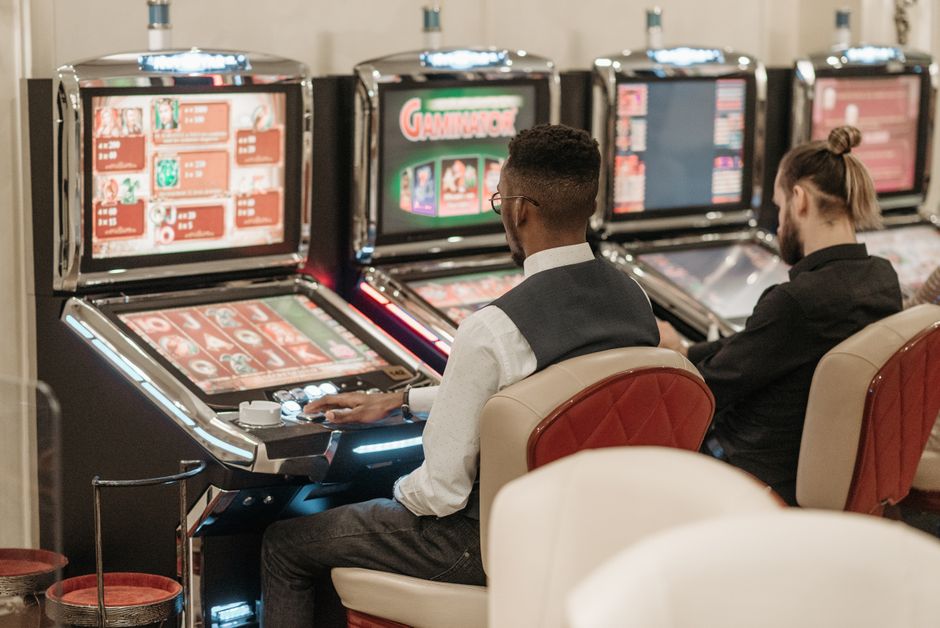
Before diving into the pitfalls, it helps to understand what we’re talking about. A traditional slot is pure chance. You press spin, the reels do their thing, and the outcome is decided the moment you hit that button. Skill-based slots keep that random element but layer in decisions that influence how the game unfolds. Maybe you’re choosing which reel to nudge, which power-up to activate, or when to trigger a bonus that multiplies certain symbols.
The randomness doesn’t go away entirely. That’s important. These aren’t poker or blackjack, where a skilled player can genuinely tilt the odds over time. Instead, they’re hybrid experiences where your choices affect the shape of your session, the frequency of features, or the size of potential payouts within a framework the game controls. Think of it like a board game with dice: you can’t control the roll, but you can decide where to move once the number lands.
This distinction matters because it’s where most beginner confusion starts. People hear “skill” and assume they can outsmart the machine. They can’t, not in the long run. But they can play more thoughtfully, extend their entertainment, and feel more engaged. That’s the real appeal.
The First Mistake: Assuming Skill Means Guaranteed Wins
Here’s the trap I see most often. Someone tries a skill-based slot, wins a few rounds by making smart choices, and walks away convinced they’ve cracked the code. They start betting bigger, chasing that feeling of control, and suddenly the random element reasserts itself. The losses feel worse because they believe they should have been able to prevent them.
I watched a friend do exactly this with a fishing-themed slot that involved aiming at different fish for different rewards. He got good at targeting the high-value catches and had a great first hour. By the end of the night, he’d given most of it back because he kept thinking his aim was the deciding factor. It wasn’t. The aim mattered, but the spawn rates and payout probabilities still governed everything underneath.
The lesson is simple but easy to forget: skill-based doesn’t mean skill-dominant. Your decisions shape the experience, not the math. Treat any session as entertainment spending, not an investment strategy.
The Second Mistake: Ignoring the Paytable Because the Gameplay Feels Fun
Traditional slot players learn early to check the paytable. It tells you what symbols pay, how bonuses trigger, and what the volatility looks like. Skill-based slots often bury this information because the interactive elements steal your attention. The game feels more like a video game, so people jump straight into playing without reading the rules.
That’s a mistake. The paytable in a skill-based slot often explains how your choices affect outcomes. Does picking the risky option increase variance or just change the theme? Does the bonus round have a time limit that rewards fast decisions? Are there hidden multipliers tied to specific actions? Skipping this reading is like playing a new board game without glancing at the manual. You might have fun, but you’ll miss half of what’s happening.
I’ve started treating the first few minutes of any new skill-based slot as a research phase. Small bets, full attention on the mechanics, no expectations. It’s saved me from plenty of confused sessions.
The Third Mistake: Chasing the Bonus Feature at Any Cost
Bonus rounds are the heart of most modern slots, and skill-based versions often make them more elaborate. That’s exciting, but it also tempts players to chase triggers with bigger and bigger bets. The reasoning goes something like this: if I can just reach the bonus, my skills will carry me through and I’ll win big.
In reality, the bonus is still governed by chance. Your skill might improve your average return within the feature, but it won’t rescue a session where the underlying math is working against you. Chasing is chasing, whether the game has skill elements or not. The interactivity just makes the chase feel more justified.
I’ve learned to set a boundary before I start. If the bonus hasn’t appeared by a certain point, I walk away or drop my bet size. It’s not glamorous, but it keeps the session from spiraling.
The Fourth Mistake: Playing Tired or Distracted
This one sounds obvious, but skill-based slots punish distraction more than traditional ones. If you’re half-watching a show while playing a game that asks you to make timed decisions, you’ll make worse choices. You’ll miss cues, fumble bonus rounds, and generally get less out of the experience.
The coffee shop guy I mentioned earlier was fully absorbed. That’s not an accident. These games reward attention, and they’re designed to be more engaging than a simple spin button. If you’re not in the mood to focus, you’re probably better off with a classic slot or skipping the session entirely.
The Fifth Mistake: Assuming All Skill-Based Slots Are Created Equal
The category is still new, and quality varies wildly. Some games genuinely integrate meaningful choices that affect your session in interesting ways. Others slap a mini-game onto a standard slot and call it skill-based without changing anything underneath. Playing the second type expecting the first leads to disappointment.
How do you tell the difference? Read reviews, watch gameplay videos, and pay attention to whether your choices actually change anything measurable. If the game feels like the same spin cycle with a cosmetic layer, it probably is. If your decisions shift the pace, the payouts, or the feature frequency, you’ve found something more substantial.
Why This Trend Is Worth Paying Attention To
Skill-based slots are a response to a real shift in what players want. Attention spans are shorter, entertainment options are endless, and passive experiences struggle to compete. By adding decision-making, these games offer something closer to the engagement people get from mobile games or strategy titles. They’re not replacing traditional slots, but they’re carving out their own space.
For players, that’s mostly good news. More variety means more ways to find what suits you. It also means more ways to make mistakes, which is why understanding the category matters. The people who enjoy these games most are the ones who go in with clear expectations and healthy boundaries.
A Few Habits Worth Building
If you’re curious about skill-based slots, start small. Pick one game, learn its mechanics, and play at low stakes until you understand how your choices interact with the randomness. Set a time limit and a spending limit before you start, and stick to both. Read the paytable. Watch for the difference between genuine skill integration and cosmetic interactivity.
And treat the whole thing as entertainment. The moment it stops being fun, step away. That’s true for any game, but it’s especially true when the game is designed to make you feel more in control than you actually are.
Where to Explore Further
If you’re looking for a place to browse options and see what’s out there, fark moda is worth a look. It’s the kind of site where you can get a sense of the landscape without diving in blind. As with anything in this space, go in curious, stay skeptical, and let your own experience guide you rather than the hype.
The rise of skill-based slots isn’t going to slow down. The blend of chance and strategy speaks to something people genuinely want from their entertainment. The trick is enjoying that blend without losing sight of which part is actually in your hands.