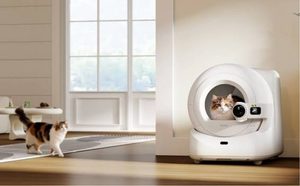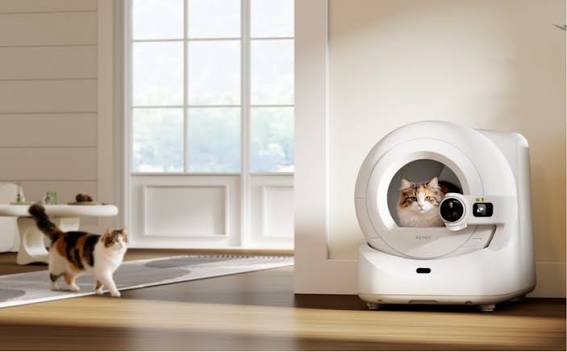
Every listing promises freedom from the scoop, and every price tag invites a quiet calculation: is a machine that costs several hundred dollars actually cheaper than a plastic tub and a bag of litter? The honest answer is that it depends on what you are paying for. Automating the chore changes not just the labor but the shape of your litter spending, and a fair comparison has to follow both.
This is a cost-of-ownership exercise, not a recommendation to buy anything. We will separate the sticker price from the running costs, look at where automated boxes quietly save money and where they quietly add it, and give you a simple framework for deciding whether the trade is worthwhile in your household. The framework works regardless of which brand you choose.
The Sticker Price Is Only the Beginning
The first mistake in comparing costs is treating the purchase price as the whole cost. A box lives for years, and the accessories it consumes do not stop at the checkout. A fair comparison spreads the purchase price across the expected lifespan and adds the annual consumables, then compares the total against the manual alternative over the same period.
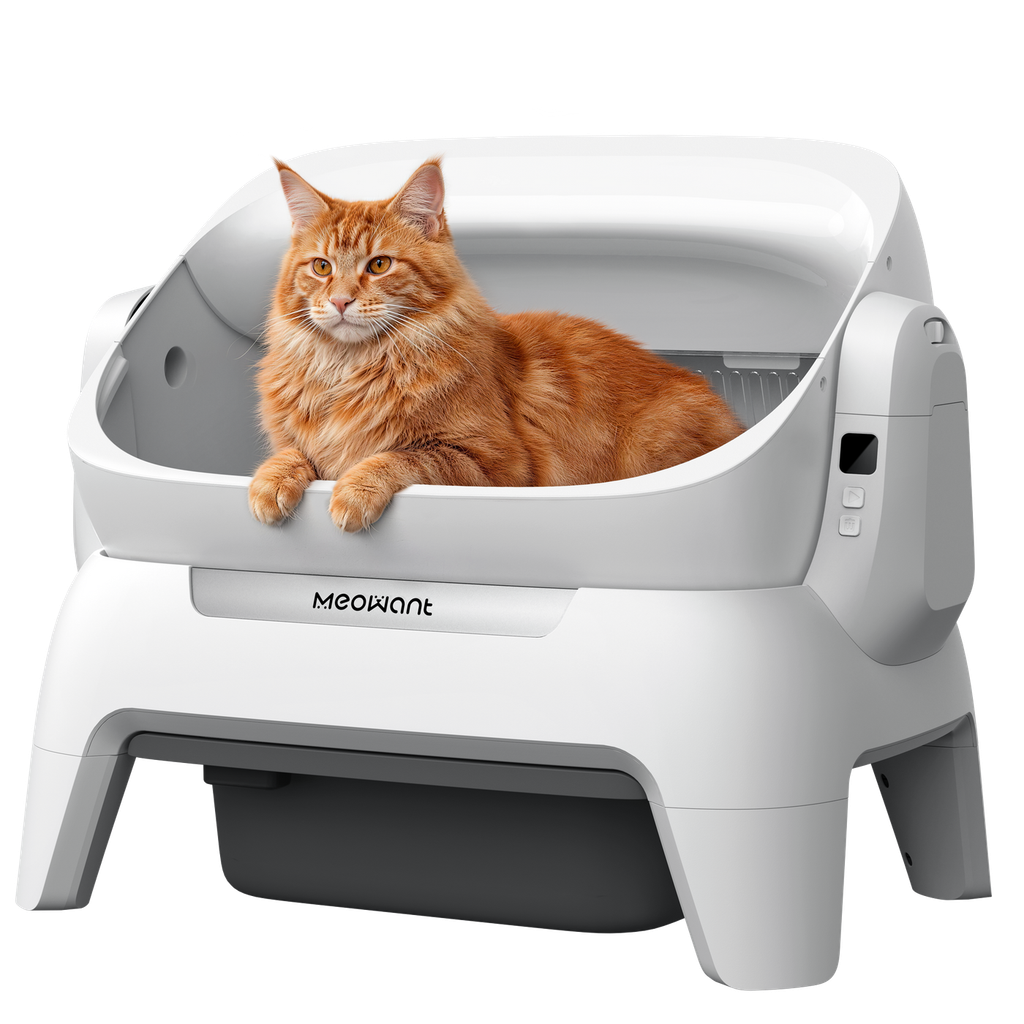
Automatic cat litter boxes typically run from modest to premium depending on drum size, sensor count, and app features, with most of the well-built options settling in the middle of the range. Multiply by the years you expect to keep it, add the accessories, and you have a number you can compare honestly. Do this before you read any review, because reviews are written before the accessories are purchased.
Consumables that add up quietly
The recurring costs are bags or liners, carbon filters, and occasional replacement parts such as a rake or a seal. None of these is expensive individually. Together they can add a noticeable amount to the annual figure. The key question is whether the unit accepts generic kitchen bags or requires proprietary liners, because that single detail can change the running cost by a meaningful margin over several years. Filters are usually standard sizes and cheap in multi-packs.
Replacement parts and where they are published
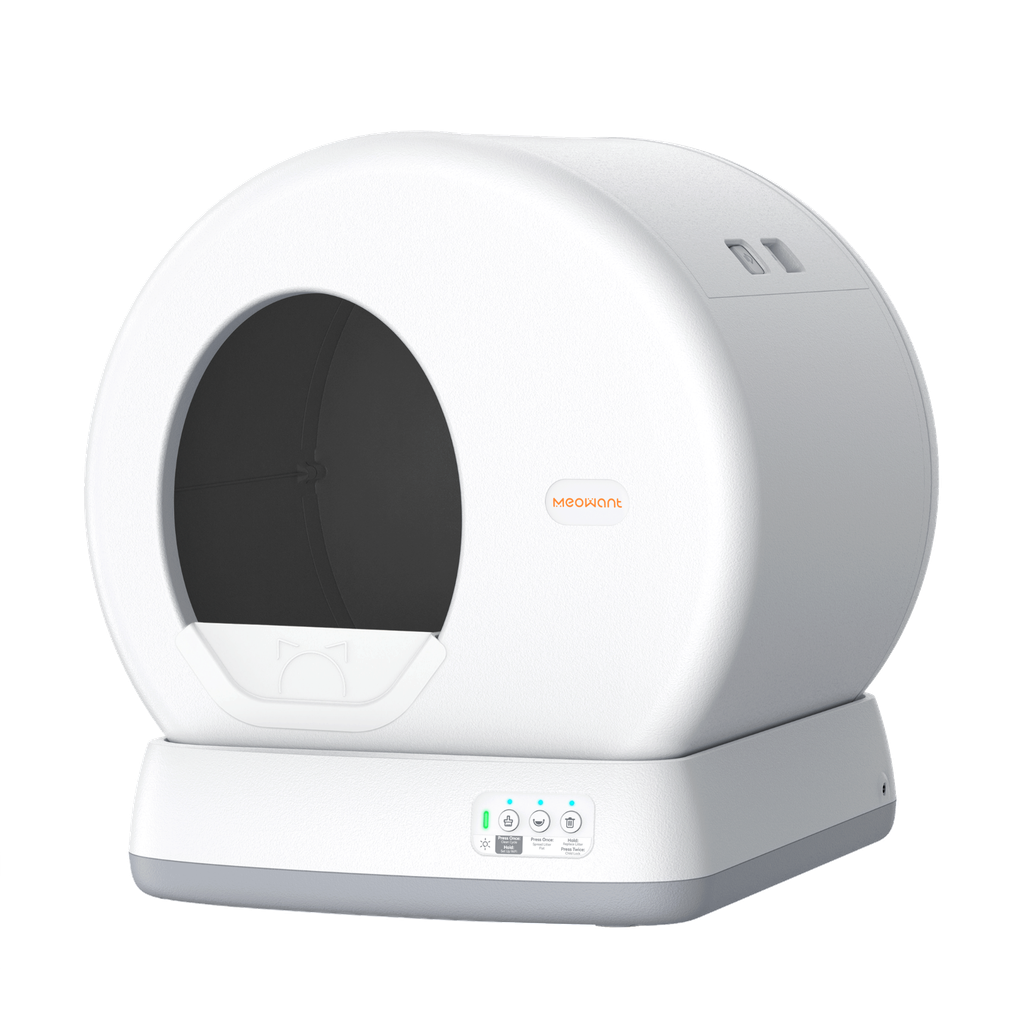
The best predictor of long-term cost is whether the manufacturer sells replacement parts at all. A box with no parts program becomes landfill at the first worn seal. Check that the brand publishes a parts list and a warranty period. Meowant documents its product specifications and support information online, which is at least a sign that the box is meant to be serviced rather than thrown away.
Where Automated Boxes Actually Save You Money
The savings are real, but they are indirect. Automation does not reduce the price of litter. It changes how efficiently you use it, and it can reduce the cost of the messes an unmaintained box produces.
Less litter wasted
A sifting mechanism separates clumps from clean litter with more consistency than a scooper, which tends to carry good litter out with the waste and scatter it on the way to the bag. Less waste means fewer bags of litter per year, and in a multi-cat home the difference is noticeable. Owners often report stretching the same litter supply across more weeks once they stop over-scooping.
Fewer surprises and fewer replacements
An unmaintained manual box produces accidents, and accidents produce cleaning costs, laundry, and occasionally a vet visit for a cat that started avoiding the box. While no machine eliminates these risks, consistent cleaning removes one common trigger. That is a hard-to-quantify but genuine saving, and it is usually the reason owners say the box paid for itself.
The time value that does not appear on a receipt
The scoop takes minutes a day, and the minutes cluster when you are tired or in a hurry. Multiply them across a year and the total is substantial. Whether that time is worth money to you is a personal judgment, but it belongs in the comparison. A household with a busy schedule and multiple cats will value it more than a single-cat household with a flexible routine.
Where the Costs Creep Up
The honest version of the savings story includes the ways an automated box can cost more than expected. None of them is a reason to avoid the category, but each is a reason to plan.
Proprietary consumables
A unit designed to use only its own bags turns a commodity into a subscription. Over five years, that difference alone can erase the savings from reduced litter waste. Check bag compatibility before you buy, and read the listing for the words “only,” “designed for,” and “required.”
Electricity, service, and the cost of neglect
Electricity is minor, typically pennies a day for a unit that cycles a few times. Service intervals and cleaning supplies are small costs too. The larger risk is neglect. A box that runs without maintenance costs more in odor, litter waste, and occasionally replacement of a seized part. Budget a small amount of time rather than money, and the machine stays efficient.
The upgrade treadmill
The newest model always adds a feature. Replacing a working box every two years to chase a nicer app is the most expensive habit in this category. Buy for the mechanism and the fit, not the software, and plan to keep the unit for its working life.
The false economy of the cheapest unit
The lowest-priced box in a category is rarely the cheapest to own. Budget models tend to cut the parts that fail first: thinner seals, weaker motors, and no published parts program. A seal that starts leaking odor in year two means either a new box or a slow decline into the corner of a room nobody uses. When you compare prices, compare them against the cost of the second purchase you may have to make, because that is the number that quietly doubles the cheap option’s advantage away.
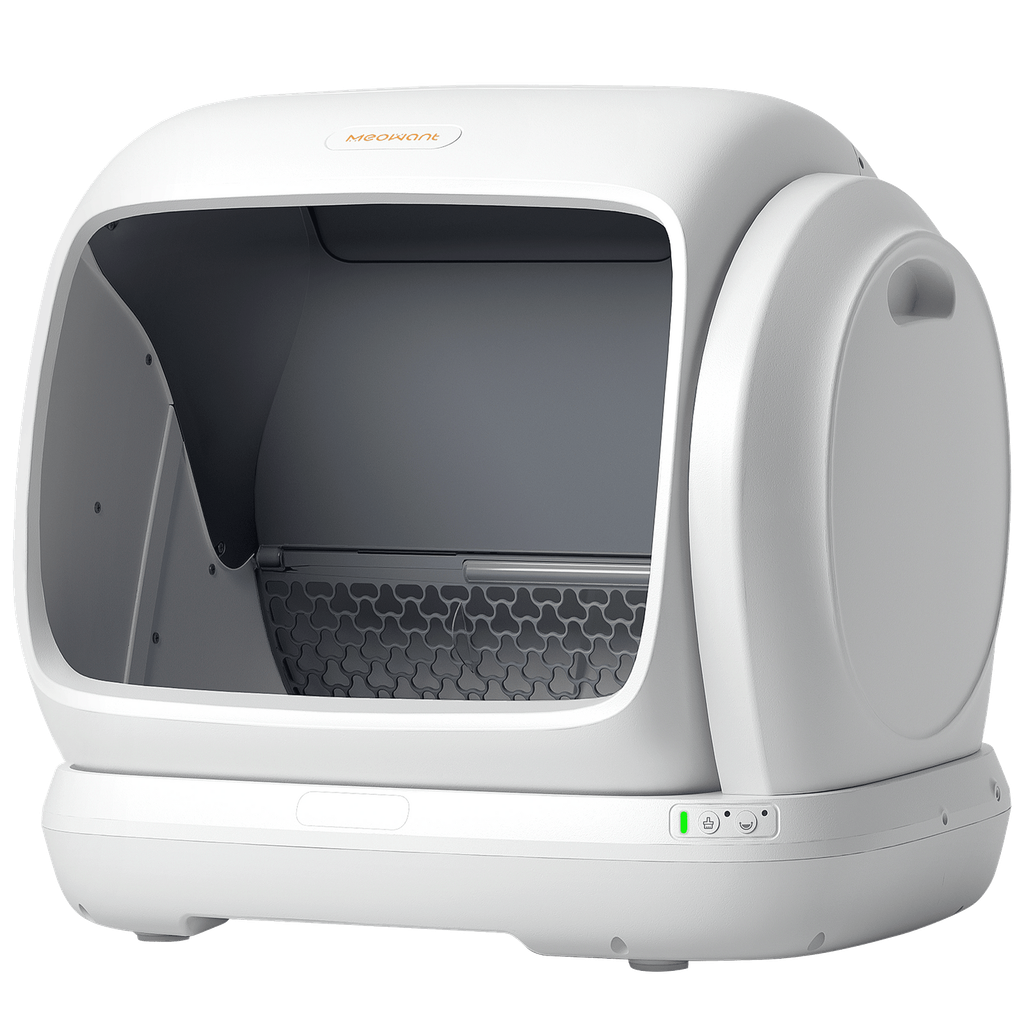
This is where a few minutes of research earns its keep. A brand that sells replacement seals and rake assemblies, and that states its warranty plainly, is telling you the unit was designed to be repaired. That kind of transparency is worth more to your long-term budget than a feature you will stop noticing within a month.
A Simple Framework for Your Own Household
Do the arithmetic on one page. Write down the purchase price, divide by the years you expect to keep it, and add your estimated annual spend on bags, filters, and electricity. Put the manual alternative beside it: the cost of the tub, the extra litter you expect to waste, and the replacement frequency of a box that gets dirty more often. The result will not be a precise number, but it will be a fair comparison, and fair is what matters.
Then weigh the intangible side. Time, convenience, and the reduced friction of living with a cat who always has a clean bed are worth different amounts to different people. A household that travels, or works long hours, or lives with three cats, will usually find the automated box pays for itself in ways a spreadsheet cannot capture.
Questions that clarify the decision
- How many cats share the box, and how often is it actually scooped today?
- Do you expect to use standard bags, or will you buy proprietary liners?
- Is replacement parts availability confirmed for the model you are considering?
- What is your realistic lifespan expectation for the unit?
Answer these before you compare prices, and the comparison stops being about sticker shock and becomes about years of ownership. The box that looks expensive upfront is often the cheaper one once consumables and lifespan are included, and the reverse is just as true. A five-year view tends to flip the ranking, especially when proprietary consumables are part of the cheap model’s design.
One more habit helps: track your actual spend for the first three months. Log the litter you buy, the bags you go through, and any filters or parts. The real figures are usually different from the estimates in either direction, and they turn a vague feeling about value into a concrete cost per month that you can compare against any alternative.
Value Is a Years-Long Equation
Automatic cat litter boxes are not a straightforward cost saving. They are a trade: money upfront and a modest stream of consumables in exchange for time, consistency, and fewer messes. In households where scooping is a source of daily friction, that trade is usually worth it. In a single-cat home with a flexible routine, a good manual box may remain the better financial choice.
Run the one-page comparison anyway. Spread the price, count the consumables, check the parts program, and be honest about how consistent you are with a scoop. Then buy the option that wins on your page, not on the product page. That is the decision that holds up in year three, when the novelty has worn off and only the routine remains.