Why portable power matters across Canada
From the ice storms that darken Ontario neighbourhoods to the summer thunderstorms that knock out rural feeders in the Maritimes, Canadians know that grid power is not guaranteed. When the lines come down, a portable generator becomes the difference between a warm, lit house and a cold, dark one.
The same machine follows people out of the city, too. At a lakeside cottage far from any pole, on a remote job site, or at a tailgate in a stadium parking lot, an inverter generator has become the quiet workhorse that keeps fridges cold, tools turning and phones charged.
What has changed is not just that we want power on demand, but that we want clean power. A modern home runs on sensitive electronics, and the rough, unsteady output of an older generator can shorten the life of a laptop or corrupt what it is connected to. The rise of the inverter generator answered exactly this need, and understanding how these machines differ is the first step to choosing wisely and using one safely.
The old way: engine speed tied to the wall socket
To see why the newer design matters, it helps to understand the conventional generator it replaced. In that older arrangement, the engine is bolted directly to an alternator, and the speed of the engine sets the frequency of the electricity it produces. In Canada that frequency must hold at sixty cycles per second, so the engine is forced to spin at a fixed speed the entire time it runs, whether it is powering a single light bulb or a full workshop.
This design has two costs. First, the power it makes is only as clean as the engine is steady; every small surge or stumble in the motor shows up as a ripple in the electricity. Second, because the engine can never slow down, it burns fuel and makes noise at full throttle even when almost nothing is drawing power from it.
The inverter approach: fix the waveform with electronics
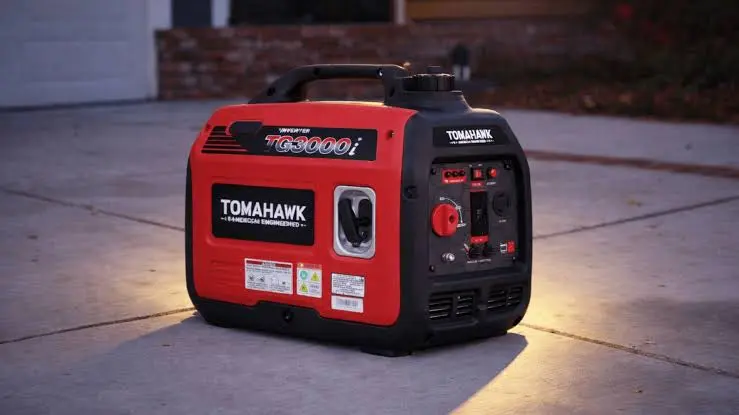
The newer design breaks the rigid link between engine and outlet. Instead of feeding raw electricity straight to your devices, it runs that raw alternating current through electronics that first rectify it, converting it into steady direct current, much like the current in a battery.
From that clean direct current, the electronics then invert the flow back into alternating current, building it up into a very smooth, stable sine wave. That final waveform is precise enough for laptops, phones and even medical devices, the kind of sensitive loads that a rough conventional machine can quietly damage over time.
Because the electronics now shape the output, the engine is freed from its duty of holding a fixed speed. It can throttle down to match whatever load is actually connected, idling gently under light demand and revving up only when a tool kicks in. That single change is why an inverter generator is so much quieter and thriftier with fuel than the machines it replaced, often running for hours on a fraction of the fuel a fixed-speed unit would consume doing the same light work.
The practical payoff is measured in running watts and in decibels. A well-designed inverter generator can hold a modest household load overnight while producing little more noise than a quiet conversation, and it does so while protecting the electronics plugged into it. Those two virtues, clean output and a throttling engine, are the reasons the technology has spread so quickly from campgrounds to construction sites.
Two fuels, one machine
A further step is the dual fuel design, which lets one generator run on either gasoline or liquid petroleum gas, better known as propane. This flexibility is more than a convenience. Gasoline is easy to find and packs plenty of energy, but it goes stale within months and gums up carburettors when a machine sits idle between storms.
Propane, by contrast, stores indefinitely without degrading, so a filled cylinder in the shed is ready years later. It also burns cleaner, leaving fewer deposits inside the engine. Keeping both fuels on hand means an outage during a fuel shortage, or a long weekend at a remote cabin, never leaves you stranded for want of a single supply.
A representative unit in this class, such as a 7,250-watt hybrid model, illustrates the trade. On gasoline it delivers its highest surge and running wattage for demanding loads; on propane it runs a touch lower but far cleaner and with fuel that never expires, letting the owner choose based on the task at hand.
How to classify what you are buying
It helps to sort these machines along two simple axes. The first is output type: conventional versus inverter. Conventional units are typically cheaper for a given wattage and can be rugged, but they are louder and their power is less refined. Inverter models cost more but deliver clean, stable electricity and sip fuel by throttling to the load.
The second axis is fuel: single fuel versus dual fuel. A single-fuel machine is simpler, while a dual fuel unit trades a little complexity for resilience and cleaner storage. For most households the appeal of a dual fuel inverter generator is that it combines the best of both axes at once: clean, quiet, load-following power together with the freedom to burn whichever fuel is on hand. Weighing these against power quality, noise, and runtime gives a clear picture of the trade-offs before you decide. The short summary below captures the pattern.
•Conventional: cheaper, louder, rougher power
•Inverter: pricier, quiet, clean output
•Single fuel: simpler, but stale-fuel risk
•Dual fuel: flexible, propane stores indefinitely
•Throttling: matches load, saves fuel
The safety rule that comes before everything
No discussion of portable power is complete without the hazard that kills quietly. Every fuel-burning generator produces carbon monoxide, an odourless, colourless gas that can render a person unconscious within minutes and prove fatal before they wake. It must never be run indoors, in a garage, in a shed, or under a porch, even with doors and windows open.
The rule is simple and absolute: operate the machine outdoors only, well away from the building, with the exhaust pointed away from any door, window, or vent. Position it at least several metres from the house, and install a battery-powered carbon monoxide alarm inside so any drift is caught early. During the January 1998 ice storm that crippled Quebec and eastern Ontario, several of the tragedies that followed were traced to generators run in enclosed spaces, a lesson worth remembering every time the lights go out.
Chosen with care and used with respect for its exhaust, an inverter generator gives a Canadian household clean, quiet, reliable power for the storms, the cottages and the job sites that make owning one worthwhile.