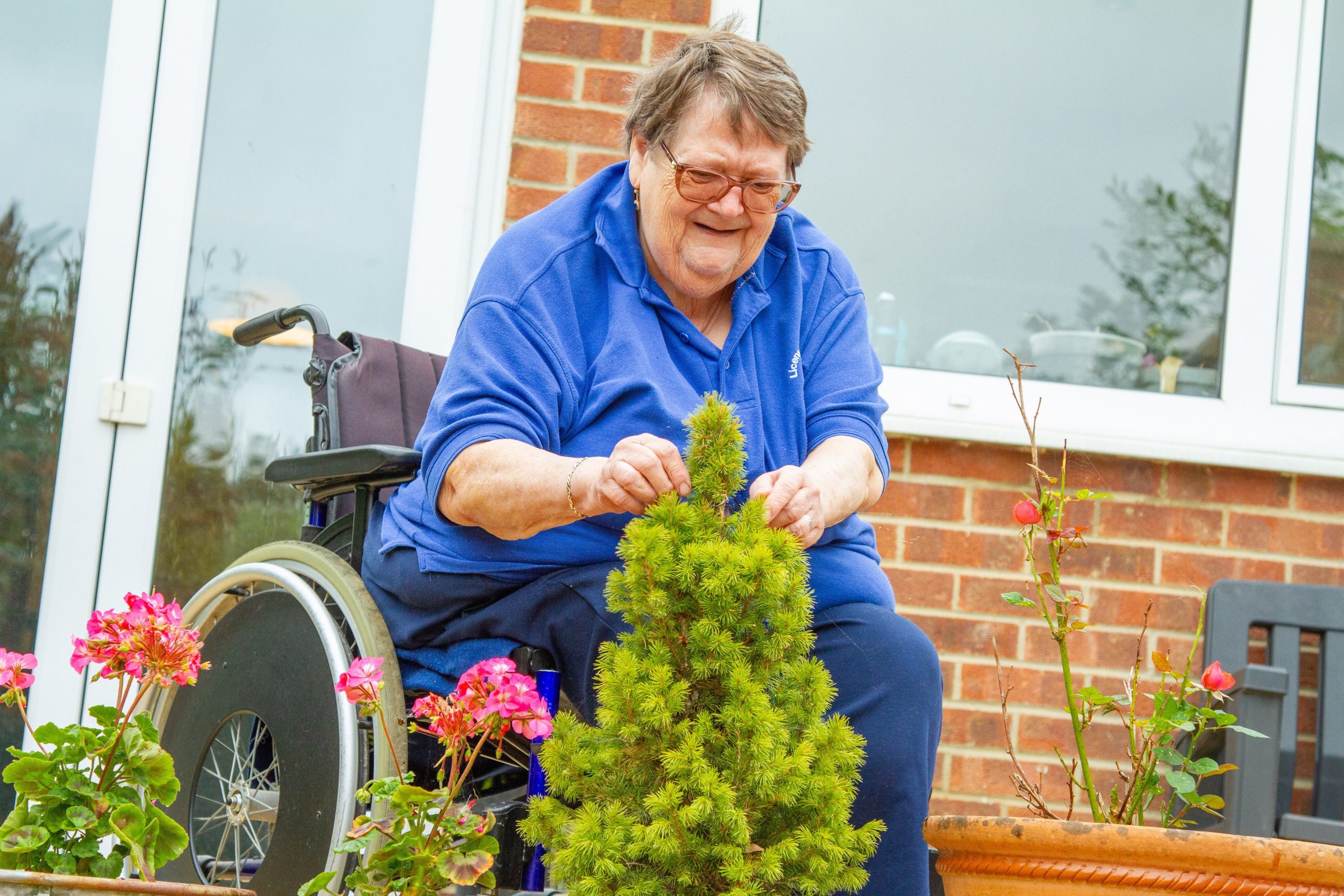
A community transition is a meaningful life change that can influence comfort, stability, and long term wellbeing. Whether the move is motivated by a desire for additional support, a shift in lifestyle, or the need for a safer and more accessible environment, thoughtful preparation helps ensure the experience feels positive and empowering. Taking time to reflect on personal needs, expectations, and priorities allows individuals and families to make decisions that support both present comfort and future peace of mind. A well planned transition becomes an opportunity to enhance quality of life in a setting designed to meet evolving needs.
Understanding Personal Needs and Daily Routines
Before selecting a new community, it is essential to understand the daily routines and support requirements that shape everyday life. Some individuals thrive with minimal assistance and value independence, while others benefit from structured care, wellness programs, or specialized services. Families exploring personal care needs often begin by assessing how much support their loved one requires to feel safe, comfortable, and engaged. For those considering specialized environments such as GLOW℠ memory care in Shiloh, IL, this clarity becomes even more important. When personal needs are clearly identified, it becomes easier to choose a community that aligns with long term goals and supports a smooth transition.
Evaluating the Environment and Community Culture
The physical environment and overall culture of a community play a major role in long term satisfaction. A welcoming atmosphere, accessible design, and thoughtfully arranged spaces help residents feel at ease from the moment they arrive. Families should consider whether the environment supports comfort, safety, and independence. Exploring community culture also provides insight into how residents interact, how staff communicate, and how daily life feels within the community. A warm, respectful, and engaging environment helps individuals adapt more easily and fosters a sense of belonging that supports emotional wellbeing.
Reviewing Services, Amenities, and Lifestyle Offerings
Services and amenities vary widely among communities, making it important to understand what is included and how these offerings support daily life. Dining programs, housekeeping, transportation, wellness activities, and social opportunities all contribute to comfort and convenience. Families evaluating community services should consider which offerings are essential and which enhance enjoyment and independence. A community that provides a balanced mix of support and enrichment helps residents maintain a fulfilling lifestyle without feeling overwhelmed or restricted. These offerings also reduce the burden on family members, who gain confidence knowing their loved one has access to meaningful support and engaging experiences.
Planning for Long Term Needs and Future Transitions
A community transition should address current needs while also anticipating future changes. As individuals age, their physical, cognitive, or emotional needs may evolve. Choosing a community that can adapt to these changes helps ensure continuity of care and reduces the likelihood of additional transitions. Families benefit from exploring long term planning to determine whether the community offers flexible support options, specialized programs, or additional services that can be accessed over time. Planning ahead provides peace of mind and helps create a stable, supportive environment that remains appropriate as circumstances shift. This forward thinking approach supports long term comfort and minimizes disruption.
Conclusion
A successful community transition involves understanding personal needs, evaluating the environment, reviewing available services, and planning for the future. When individuals and families take time to reflect on these key considerations, they can make confident decisions that support comfort, independence, and lasting wellbeing.