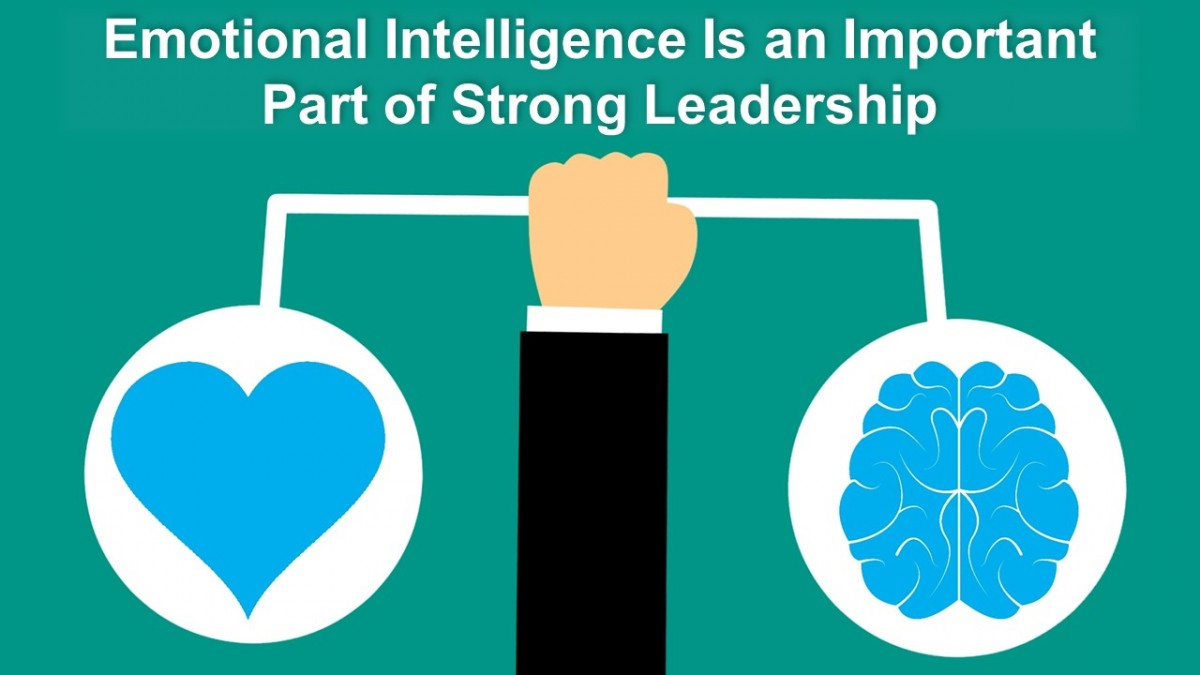
Leadership has evolved significantly over the years. While technical expertise, strategic thinking, and industry knowledge remain essential qualities, modern organizations increasingly recognize another critical factor that separates exceptional leaders from average ones: emotional intelligence. In today’s dynamic business environment, leaders are expected not only to make decisions and drive results but also to inspire, motivate, and connect with people on a deeper level.
Emotional intelligence has become one of the most valuable leadership skills because it influences how leaders communicate, manage relationships, handle challenges, and create positive workplace cultures. Organizations that prioritize emotionally intelligent leadership often experience higher employee engagement, stronger teamwork, improved productivity, and greater long term success.
Whether managing a startup, leading a multinational corporation, or overseeing administrative matters such as Business Registration Fees, emotional intelligence plays a crucial role in ensuring effective leadership. Leaders who understand and manage emotions successfully are better equipped to guide their organizations through both opportunities and challenges.
Understanding Emotional Intelligence
Emotional intelligence refers to the ability to recognize, understand, manage, and influence emotions in oneself and others. It involves being aware of emotional responses and using that awareness to make better decisions and build stronger relationships.
Unlike intellectual intelligence, which focuses on cognitive abilities and problem solving, emotional intelligence emphasizes interpersonal skills and emotional awareness. It enables leaders to navigate complex human interactions with empathy, understanding, and effectiveness.
Emotional intelligence typically consists of several key components including self awareness, self regulation, motivation, empathy, and social skills. Together, these elements help leaders build trust, communicate effectively, and foster positive organizational cultures.
Why Emotional Intelligence Matters in Leadership
Leadership is fundamentally about people. Regardless of industry or business model, leaders interact with employees, customers, investors, partners, and stakeholders on a regular basis. The ability to understand and manage emotions directly influences the quality of these interactions.
Leaders with strong emotional intelligence create environments where employees feel valued, respected, and motivated. They understand how emotions affect behavior and use this knowledge to strengthen relationships and improve performance.
In contrast, leaders who lack emotional intelligence may struggle with communication, conflict resolution, and team management. Their inability to recognize emotional dynamics can lead to misunderstandings, reduced morale, and workplace dissatisfaction.
As organizations become increasingly collaborative and diverse, emotional intelligence has become an essential requirement for effective leadership.
Self Awareness as the Foundation of Leadership
Self awareness is one of the most important aspects of emotional intelligence. It involves understanding one’s emotions, strengths, weaknesses, values, and behavioral patterns.
Great leaders possess a clear understanding of how their actions affect others. They recognize their emotional triggers and understand how emotions influence their decisions and communication styles.
Self aware leaders regularly reflect on their behavior and seek feedback from others. This continuous self evaluation helps them identify areas for improvement and become more effective leaders.
By understanding themselves better, leaders can make more thoughtful decisions and avoid reacting impulsively during stressful situations.
The Power of Self Regulation
Leadership often involves managing pressure, uncertainty, and difficult circumstances. Self regulation enables leaders to control their emotional responses and maintain professionalism even in challenging situations.
Emotionally intelligent leaders do not allow frustration, anger, or fear to dictate their actions. Instead, they remain calm and composed while evaluating situations objectively.
This ability to manage emotions is particularly valuable during crises, organizational changes, and high pressure decision making processes. Employees often look to leaders for reassurance during uncertain times. A calm and confident leader can help maintain stability and confidence throughout the organization.
Self regulation also promotes consistency in leadership behavior, which strengthens trust and credibility among team members.
Motivation and Leadership Excellence
Motivation is another critical component of emotional intelligence. Emotionally intelligent leaders are driven by a strong sense of purpose and commitment to achieving meaningful goals.
Their motivation extends beyond financial rewards or personal recognition. They are passionate about creating value, supporting their teams, and contributing to organizational success.
Highly motivated leaders inspire others through their enthusiasm and determination. Their positive attitude encourages employees to remain focused and engaged even when facing obstacles.
This intrinsic motivation often leads to higher levels of perseverance, innovation, and achievement within organizations.
Empathy and Its Impact on Leadership
Empathy is the ability to understand and share the feelings of others. It is one of the most powerful leadership skills because it enables leaders to connect with people on a human level.
Empathetic leaders listen carefully, acknowledge concerns, and demonstrate genuine care for their employees’ well being. They recognize that every individual has unique experiences, challenges, and perspectives.
When employees feel understood and valued, they are more likely to trust their leaders and remain committed to organizational goals. Empathy strengthens workplace relationships and creates an environment where individuals feel comfortable sharing ideas and concerns.
Empathy also enhances decision making by encouraging leaders to consider the impact of their actions on different stakeholders.
Building Strong Workplace Relationships
Successful organizations depend on strong relationships among employees, managers, customers, and stakeholders. Emotional intelligence helps leaders cultivate these relationships through effective communication and interpersonal skills.
Leaders with strong social skills build trust, encourage collaboration, and create positive working environments. They understand how to adapt their communication style to different situations and personalities.
These leaders are skilled at resolving misunderstandings, facilitating teamwork, and fostering cooperation across departments and teams.
Strong workplace relationships contribute to higher employee satisfaction, improved productivity, and better organizational performance.
Enhancing Communication Through Emotional Intelligence
Communication is one of the most important responsibilities of leadership. Leaders must convey information clearly, provide guidance, and inspire confidence among employees and stakeholders.
Emotional intelligence improves communication by helping leaders understand both verbal and nonverbal cues. Emotionally intelligent leaders listen actively and pay attention to the emotions behind people’s words.
This deeper understanding allows them to respond appropriately and address concerns effectively. Employees appreciate leaders who listen carefully and communicate with empathy and respect.
Clear and emotionally aware communication reduces misunderstandings and strengthens organizational alignment.
Managing Conflict Effectively
Conflict is a natural part of any workplace. Differences in opinions, priorities, and personalities can create disagreements that affect productivity and morale.
Emotionally intelligent leaders approach conflict as an opportunity for growth rather than a threat. They remain objective, listen to all perspectives, and work toward mutually beneficial solutions.
Instead of assigning blame or escalating tensions, they focus on understanding the underlying issues and finding constructive resolutions.
Their ability to manage emotions during conflicts helps maintain positive relationships and encourages collaboration.
Organizations with emotionally intelligent leaders often experience healthier workplace dynamics and fewer unresolved disputes.
Supporting Organizational Change
Change is inevitable in today’s business environment. Companies regularly implement new technologies, restructure operations, enter new markets, and adapt to evolving customer expectations.
Employees often experience uncertainty and anxiety during periods of change. Emotional intelligence enables leaders to address these concerns effectively and provide the support employees need.
Empathetic leaders recognize the emotional impact of change and communicate openly about organizational objectives and expectations. They listen to employee concerns and help individuals navigate transitions successfully.
This supportive approach increases acceptance of change and reduces resistance within the organization.
Emotional Intelligence and Employee Engagement
Employee engagement is closely connected to leadership effectiveness. Employees who feel respected, valued, and supported are more likely to remain engaged and committed to their work.
Emotionally intelligent leaders create positive work environments where employees feel empowered to contribute their ideas and talents.
They recognize achievements, provide meaningful feedback, and invest in employee development. These actions strengthen motivation and encourage long term commitment.
Higher engagement levels often result in increased productivity, improved retention rates, and stronger organizational performance.
Improving Decision Making
Leadership decisions often involve complex situations with multiple stakeholders and competing priorities. Emotional intelligence enhances decision making by helping leaders balance logic with emotional awareness.
Emotionally intelligent leaders consider how decisions will affect employees, customers, and stakeholders. They evaluate both practical outcomes and emotional consequences.
This balanced approach leads to more thoughtful and sustainable decisions that support organizational goals while maintaining positive relationships.
Leaders who understand emotional dynamics are also better equipped to anticipate potential reactions and address concerns proactively.
Emotional Intelligence in Business Operations
Every aspect of business benefits from emotionally intelligent leadership. From customer service and team management to strategic planning and financial oversight, emotional intelligence influences organizational effectiveness.
Even routine administrative responsibilities such as managing Business Registration Fees require attention to detail, communication, and coordination. Leaders who approach these tasks with professionalism and emotional awareness help create efficient and productive work environments.
Their ability to manage relationships and maintain focus contributes to smoother operations and stronger organizational performance.
Developing Emotional Intelligence
Emotional intelligence is not an innate trait possessed by only a few individuals. It is a skill that can be developed through continuous learning and practice.
Leaders can improve emotional intelligence by increasing self awareness, seeking feedback, practicing active listening, and developing empathy. Regular reflection and mindfulness exercises can also help individuals become more aware of their emotions and reactions.
Investing in emotional intelligence development benefits both leaders and their organizations. As emotional intelligence grows, leaders become more effective at managing relationships, resolving conflicts, and guiding teams toward success.
The Future of Leadership
As workplaces continue to evolve, emotional intelligence will become even more important. Advances in technology have automated many technical tasks, making human skills increasingly valuable.
Organizations are recognizing that leadership effectiveness depends not only on expertise but also on the ability to understand and connect with people. Emotional intelligence enables leaders to create cultures of trust, innovation, and collaboration.
Future leaders who develop strong emotional intelligence skills will be better prepared to navigate complexity, inspire teams, and achieve sustainable success.
Conclusion
Emotional intelligence has become a defining characteristic of effective leadership in the modern business world. Leaders who possess self awareness, self regulation, motivation, empathy, and strong social skills are better equipped to manage relationships, resolve conflicts, support change, and inspire high performance.
The importance of emotional intelligence extends across every aspect of organizational success. From employee engagement and communication to decision making and operational efficiency, emotionally intelligent leadership creates positive outcomes for individuals and businesses alike.
Even practical business responsibilities such as overseeing Business Registration Fees benefit from leaders who approach challenges with emotional awareness and professionalism. As organizations continue to evolve, emotional intelligence will remain one of the most valuable qualities leaders can develop.
By investing in emotional intelligence, leaders can strengthen their effectiveness, build stronger teams, and create organizations that thrive in an increasingly competitive and complex world.
FAQs
What is emotional intelligence in leadership?
Emotional intelligence in leadership refers to the ability to understand, manage, and influence emotions effectively while building strong relationships and making informed decisions.
Why is emotional intelligence important for leaders?
Emotional intelligence helps leaders communicate effectively, build trust, manage conflicts, motivate employees, and create positive workplace cultures.
Can emotional intelligence be learned?
Yes, emotional intelligence can be developed through self awareness, active listening, empathy, reflection, and continuous personal development.
How does emotional intelligence improve communication?
Emotionally intelligent leaders understand emotions behind conversations, listen actively, and respond thoughtfully, resulting in clearer and more effective communication.
What role does empathy play in leadership?
Empathy allows leaders to understand employee concerns, build trust, strengthen relationships, and create supportive work environments.
How does emotional intelligence affect employee engagement?
Employees are more likely to remain engaged and motivated when leaders demonstrate empathy, provide support, and foster positive workplace relationships.
What is the connection between emotional intelligence and decision making?
Emotional intelligence helps leaders consider both logical outcomes and emotional impacts when making decisions, leading to more balanced and effective results.
Why should leaders pay attention to Business Registration Fees?
Business Registration Fees are an important aspect of legal and financial compliance. Effective leaders ensure these responsibilities are managed properly as part of overall business operations and organizational success.