Emergencies rarely come with a warning. A child may choke during dinner, a grandparent could slip in the bathroom, or someone might experience sudden cardiac arrest at a family gathering. In these critical moments, the actions taken within the first few minutes can make a life-changing difference. Preparing families for emergencies through first aid education is not just a smart choice. It is a responsibility that strengthens safety, confidence, and resilience at home.
Why First Aid Education Matters at Home
Many people associate first aid training with workplaces or healthcare settings, but the reality is that most accidents happen at home. Burns in the kitchen, cuts from sharp tools, allergic reactions, and falls are common household incidents. Without proper knowledge, panic can take over and delay effective action.
First aid education equips family members with practical skills to assess a situation, provide immediate care, and stabilise a loved one until professional help arrives. It teaches individuals how to stay calm, think clearly, and respond with purpose. These abilities are especially important when children or elderly relatives are involved, as they are often more vulnerable to injury.
Building Confidence Through Practical Training
One of the greatest benefits of structured training is confidence. Reading about emergency response online is not the same as practising techniques under professional guidance. Enrolling in first aid courses in bundaberg allows families to gain hands on experience in handling real life scenarios.
Participants learn how to manage bleeding, treat burns, assist someone who is choking, and respond to fractures or sprains. Practical sessions often include simulations that mirror everyday emergencies, helping families understand how to apply their knowledge in realistic situations. This type of preparation reduces hesitation and increases the likelihood of a positive outcome during a crisis.
The Critical Role of CPR Skills
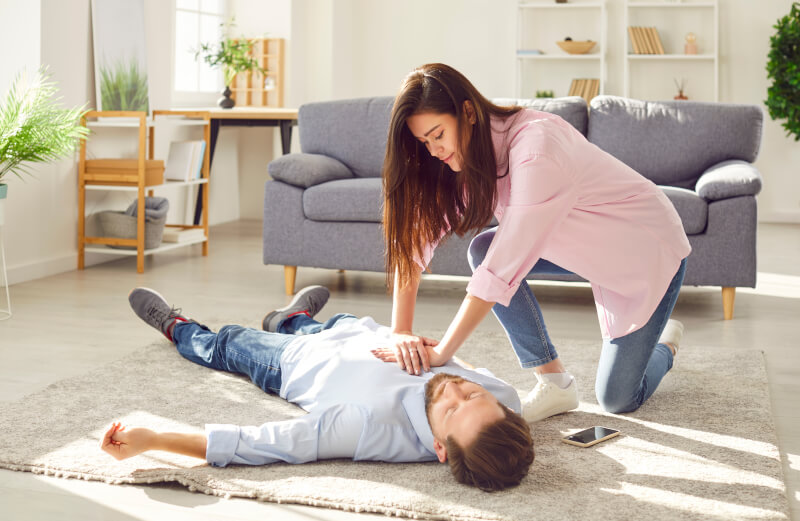
Cardiac emergencies can happen anywhere, including in the comfort of your own home. Every second counts when someone is having a heart attack. Immediate cardiopulmonary resuscitation can significantly increase survival chances before emergency services arrive.
By attending a cpr course bundaberg, parents, grandparents, and even older teenagers can learn proper chest compression techniques, rescue breathing, and how to use an automated external defibrillator. These skills are simple to learn yet incredibly powerful. Knowing how to perform CPR gives families the ability to act decisively instead of feeling helpless.
Teaching CPR to multiple members of the household ensures that if one person is unavailable or overwhelmed, another can step in. This shared knowledge strengthens the overall emergency readiness of the family unit.
Certification as a Commitment to Safety
Obtaining a first aid certificate bundaberg is more than a document. It represents a commitment to preparedness and responsibility. Certification ensures that training meets recognised standards and that participants have demonstrated competency in essential skills.
For families, certified training provides reassurance that they are learning accurate and up-to-date procedures. It also sets a positive example for children, showing them that safety and preparedness are priorities. In some cases, having certified skills can also support volunteer activities, community involvement, or part-time employment for older family members.
Regular renewal of certification keeps knowledge fresh and aligned with current guidelines. This ongoing learning reinforces confidence and ensures readiness over time.
Creating a Family Emergency Plan
First aid education works best when paired with a clear emergency plan. Families should discuss potential risks in their home and community, such as severe weather, power outages, or medical conditions. Simple but effective steps include figuring out who to call in an emergency, assigning jobs, and knowing where first aid supplies are kept.
Children can be taught age-appropriate skills, such as how to call emergency services, recognise danger signs, and follow safety instructions. Including them in discussions fosters responsibility and awareness from a young age.
Keeping a well-stocked first aid kit in accessible areas of the home is another essential step. Trained family members will know how to use the supplies effectively, from bandages and antiseptics to compression bandages and cold packs.
Strengthening Families Through Preparedness
Preparing families for emergencies through first aid education is an investment in peace of mind. It transforms uncertainty into capability and fear into action. When families commit to learning life-saving skills, they create a safer environment for everyone under their roof.
Whether it is through enrolling in local training, practising CPR techniques, or maintaining certification, the effort made today can protect loved ones tomorrow. First aid education does not just prepare families for emergencies. It empowers them to face challenges with knowledge, confidence, and care.